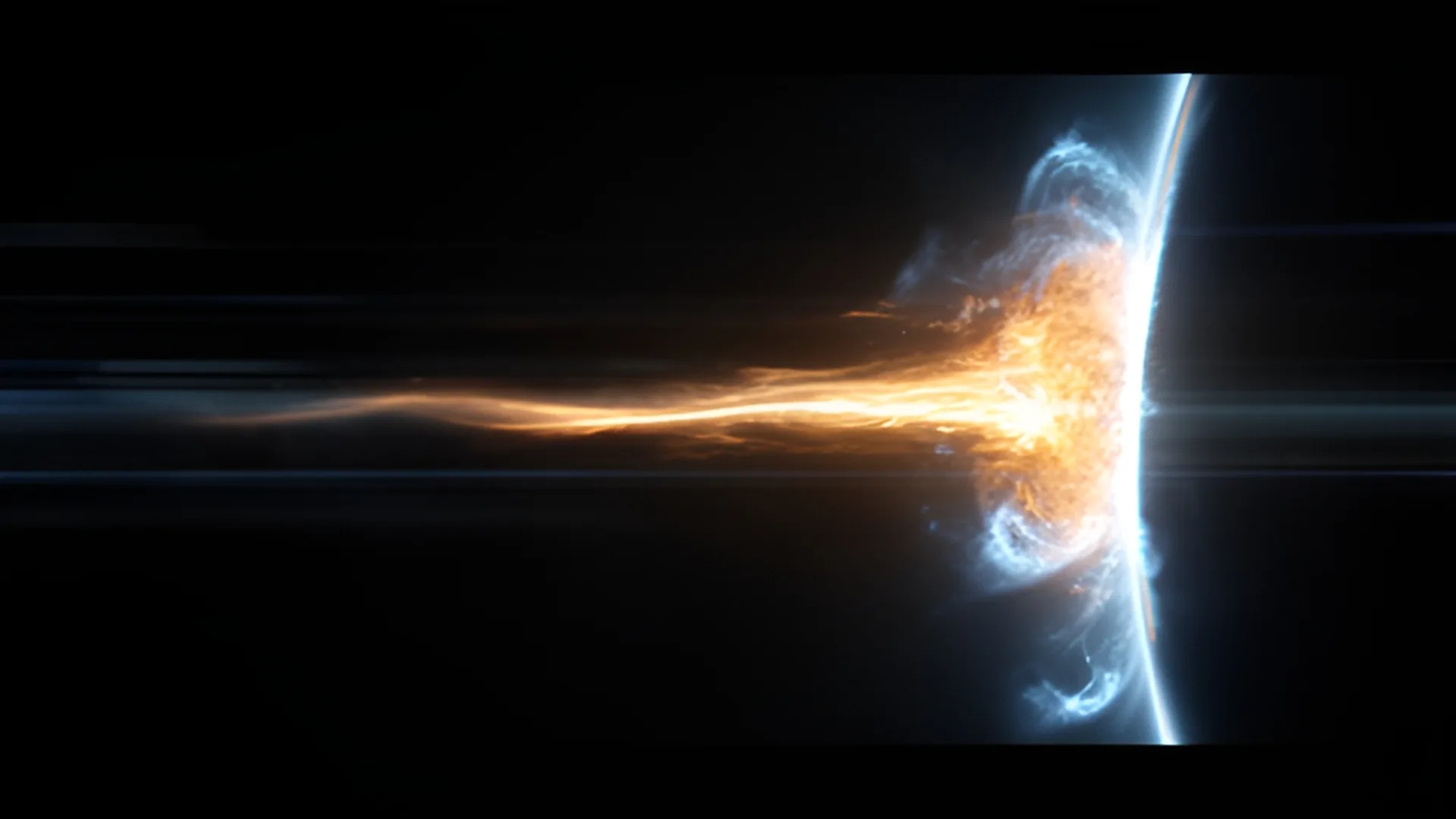
Storm
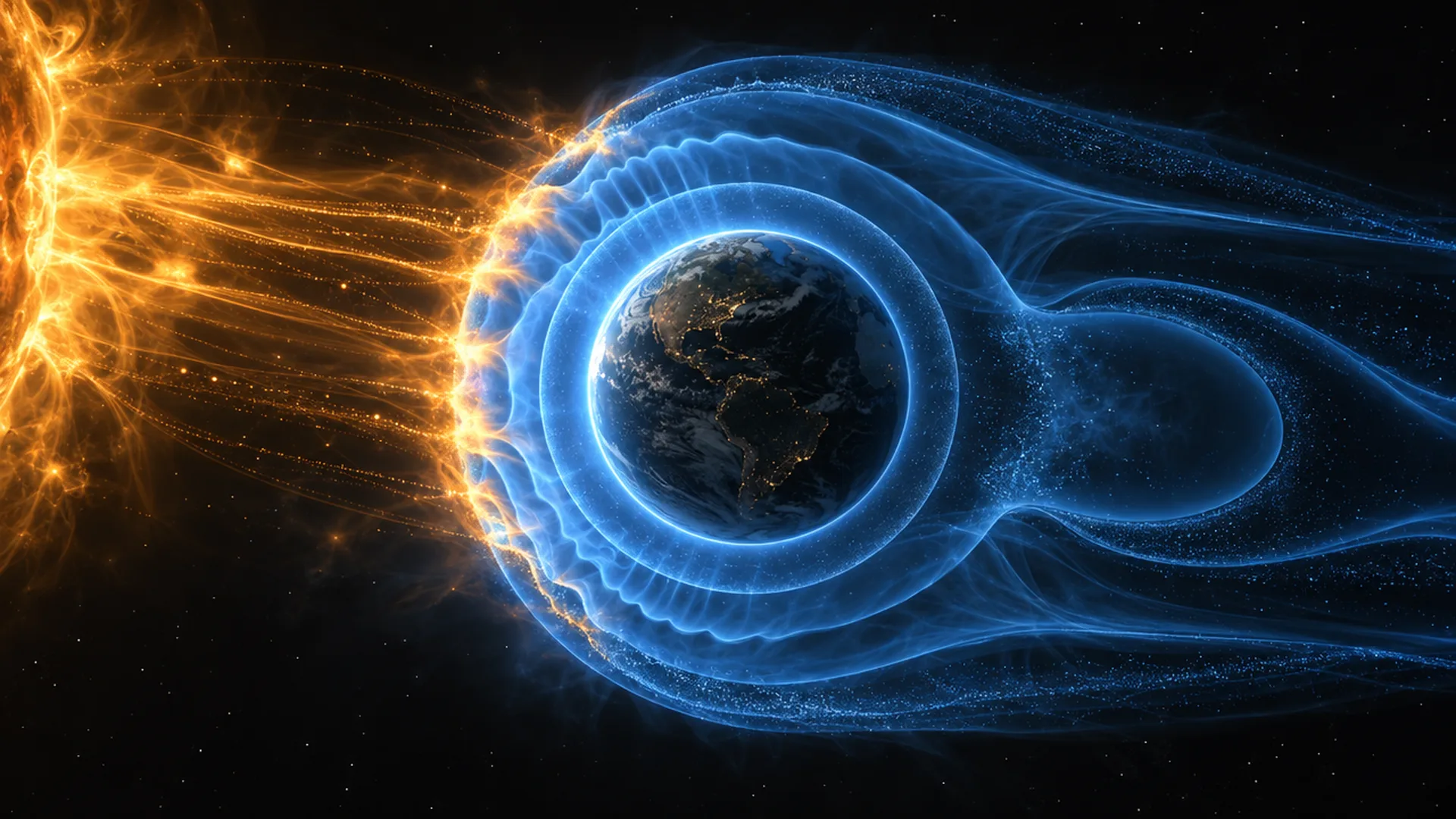
The Sun erupts. Drag rises on every low satellite. Hundreds of objects must be found again.
Physical AI×Space AI
The sky, measured.
The problem
The Sun erupts. Drag rises on every low satellite. Hundreds of objects must be found again.
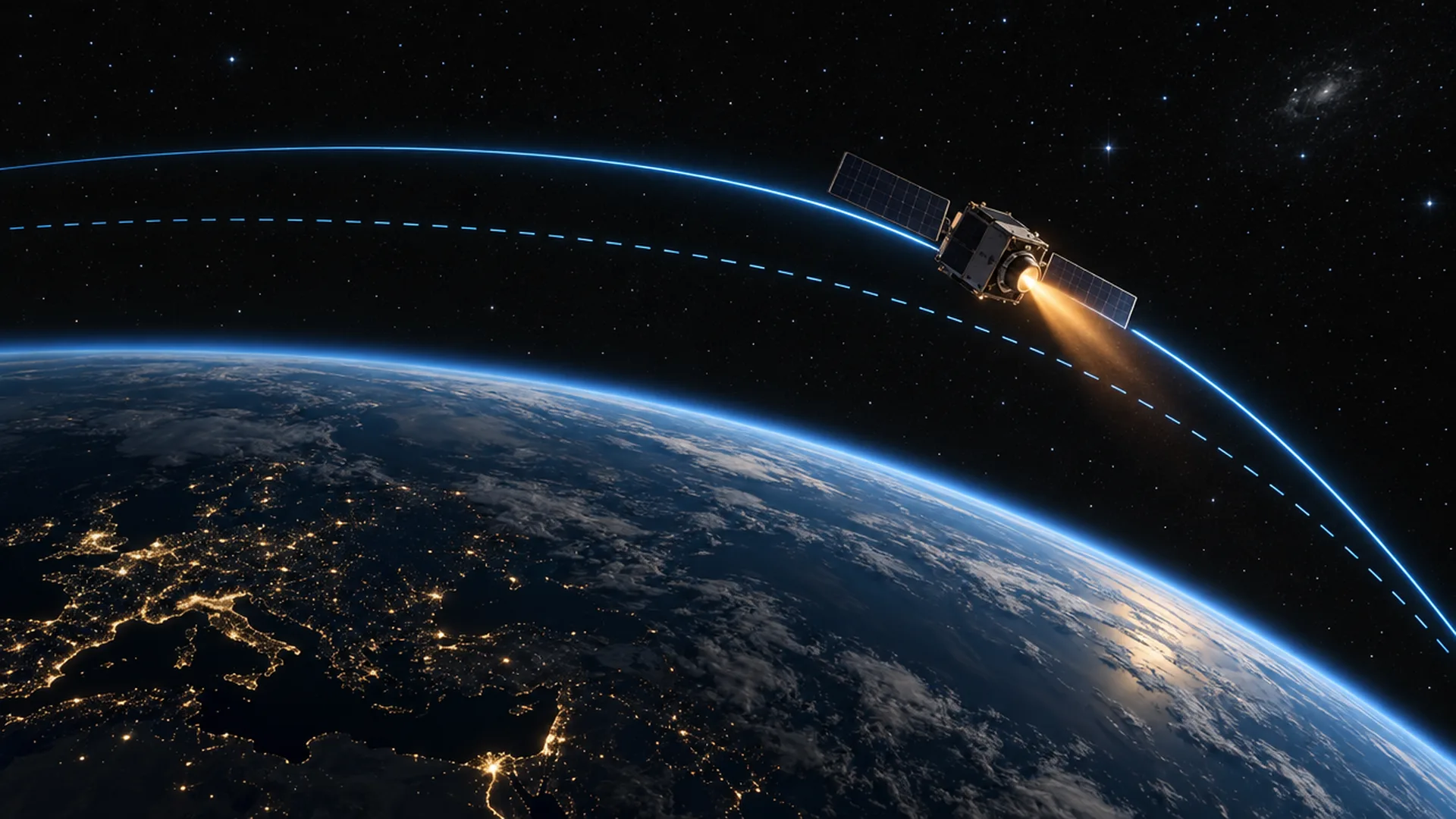
A satellite burns. The public catalogue keeps the old orbit for days.
Analysts on closed networks. Data they cannot find.
01 / Thermosphere
0%
storm-time density error · vs 13.11 % best CCMC model · NASA/CCMC CAMEL
Measured with a look-ahead NRLMSIS input; real-time results vary.
02 / Manoeuvre
0km
median position error after a burn · vs 3.14 km SGP4 on the last TLE
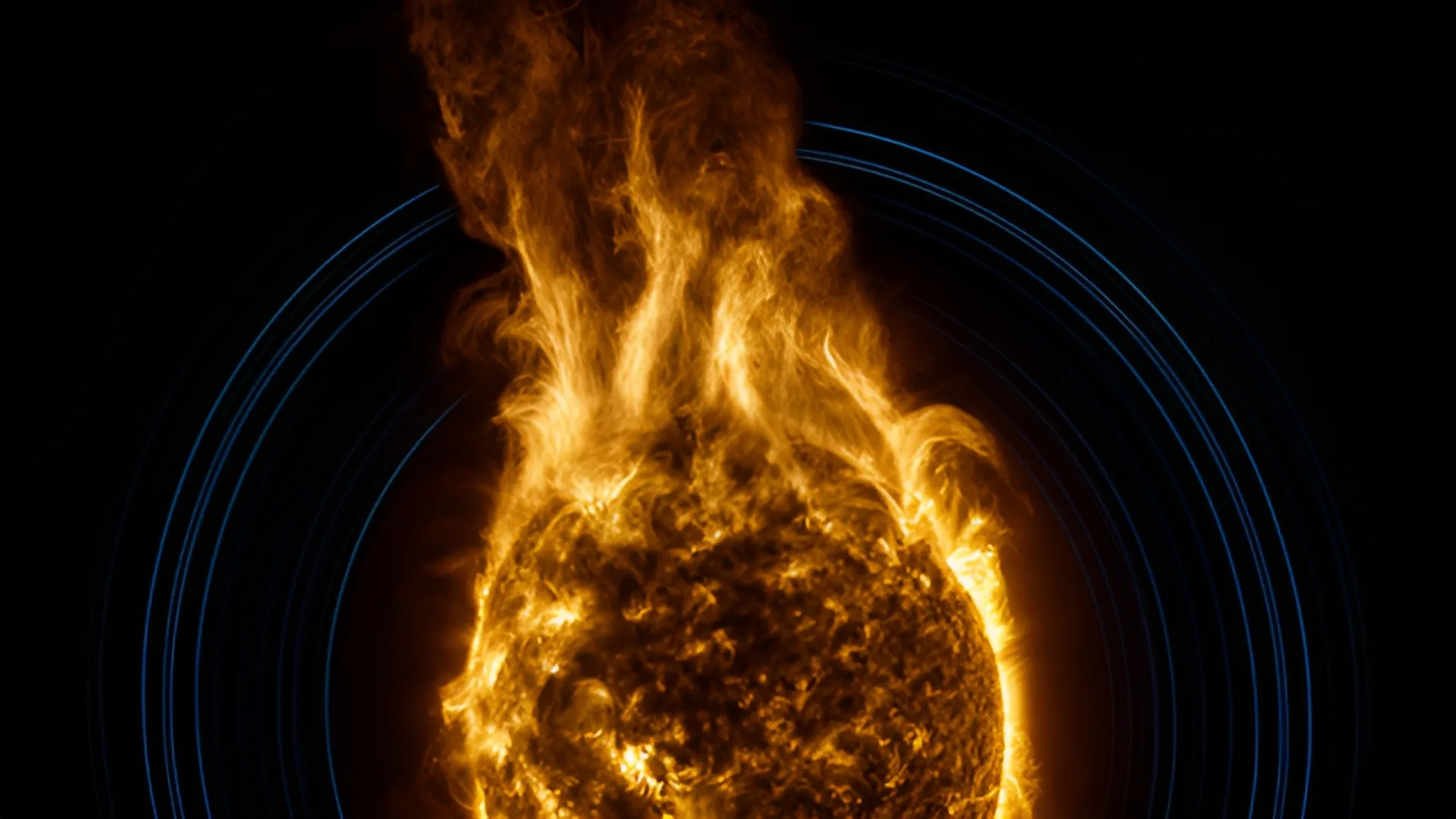
03 / Sun
0sfu
1–3 day solar flux error · vs 10.50 sfu SWPC
04 / Knowledge
Air‑gapped.
space-science literature search, fully offline
05 / Device
Any CPU.
the models offline · licensed · self-testing
06 / Pole star
Cites. Never invents.
the analyst co-pilot · cites its sources · never invents orbital numbers
Thesis
Models of real physics. Atmosphere, orbit, sun. Measured, then shipped.
What the models can do
Storm-time density error vs 13.11 % best CCMC
Position after a manoeuvre vs 3.14 km SGP4
1–3 day solar flux vs 10.50 SWPC
Finds the right space-science data, offline
Cites sources · fabricated orbital numbers
All models offline, any CPU, self-checking
Who moved, across the catalogue
Wildfire mapping vs 0.729 U-Net
How long it lives, where it comes down
Better density and custody for Pc
Kp and storm warnings, hours ahead
Anomalies before they become failures
How sure every position is
Storm-aware satellites, no fresh uplink
Decide in orbit what to downlink
Impacts on grids, aviation, GNSS
Mission
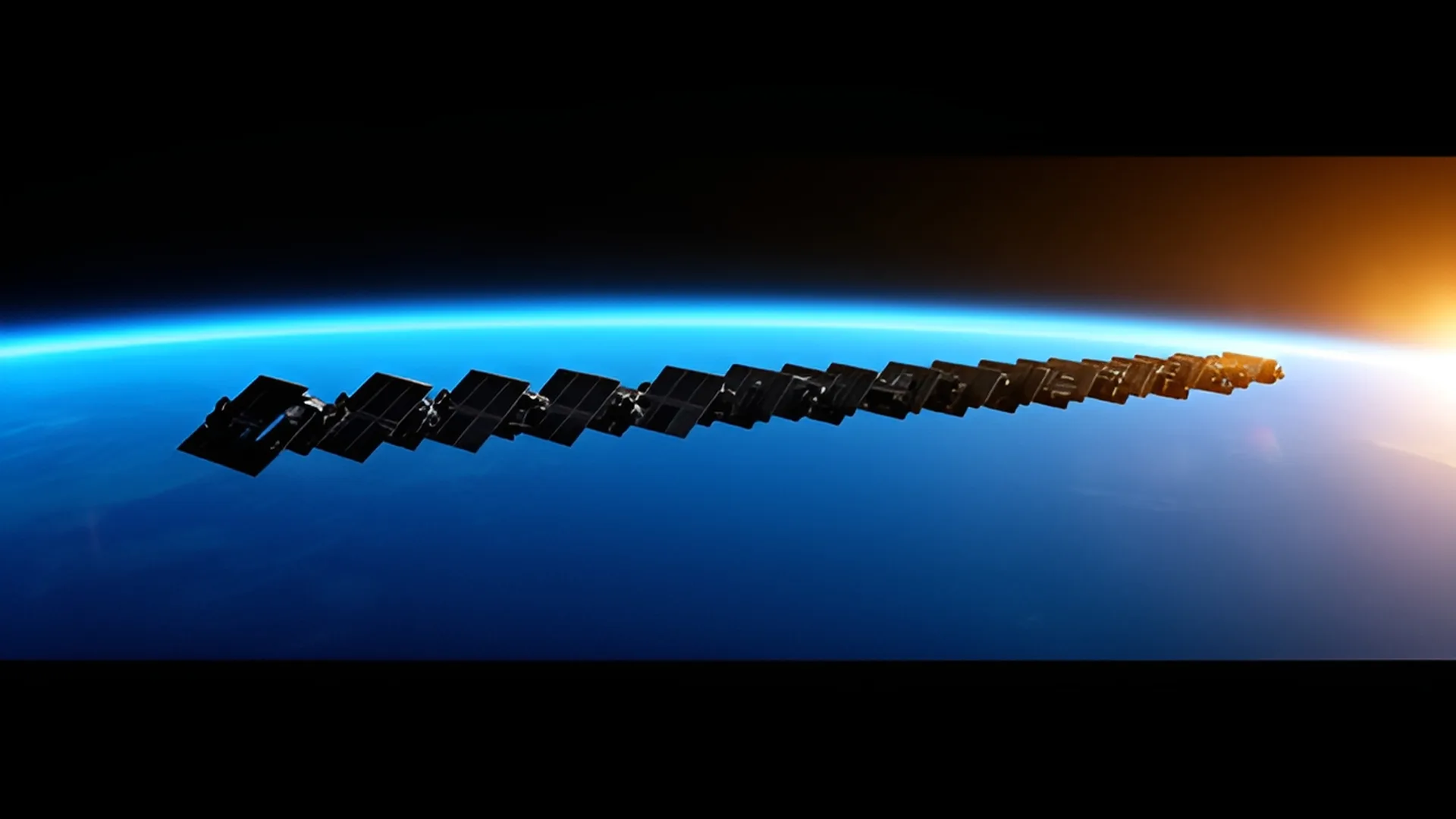
Today on the ground. Next, on board.
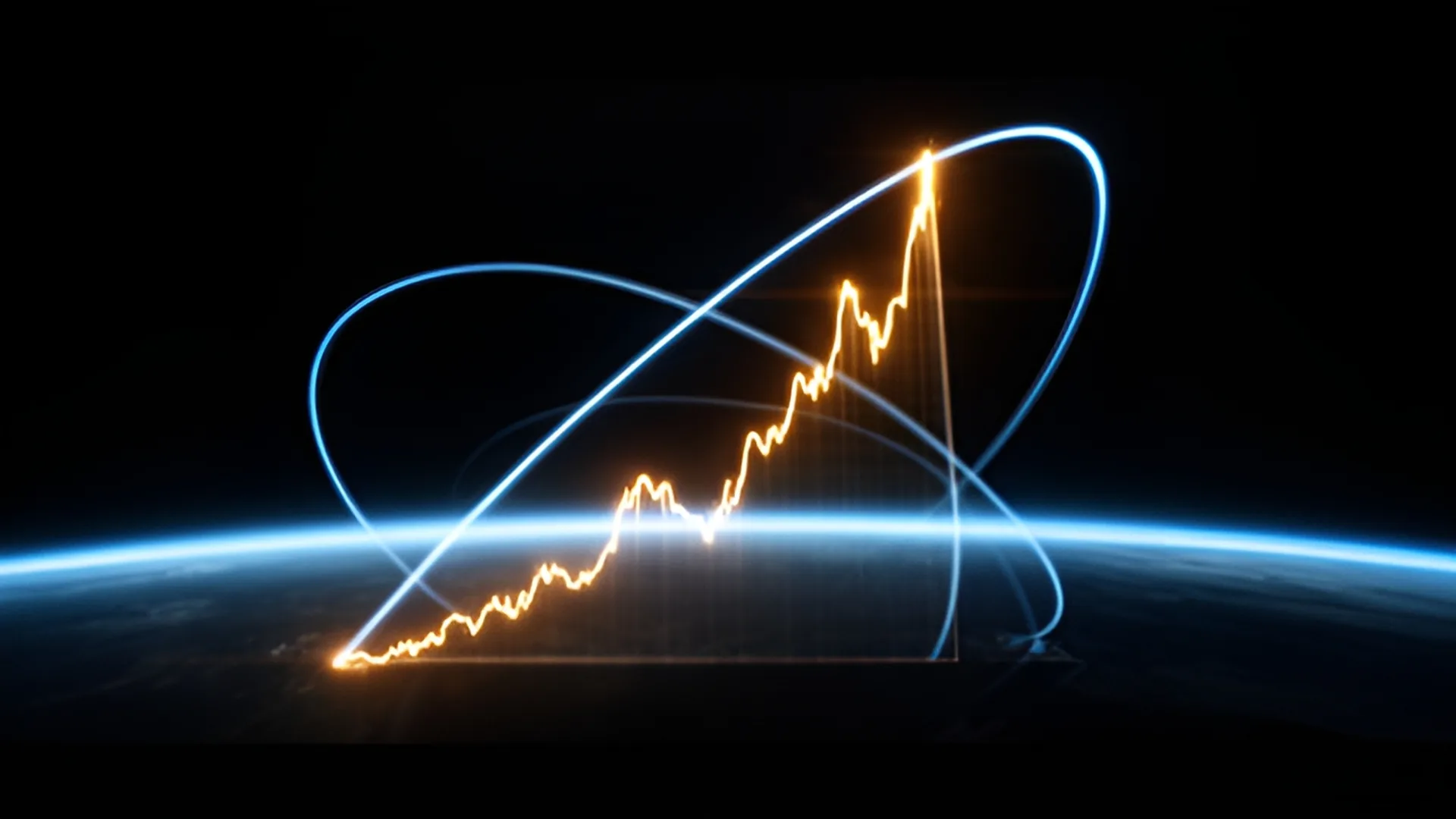
Every kilometre · every percent
Who it is for
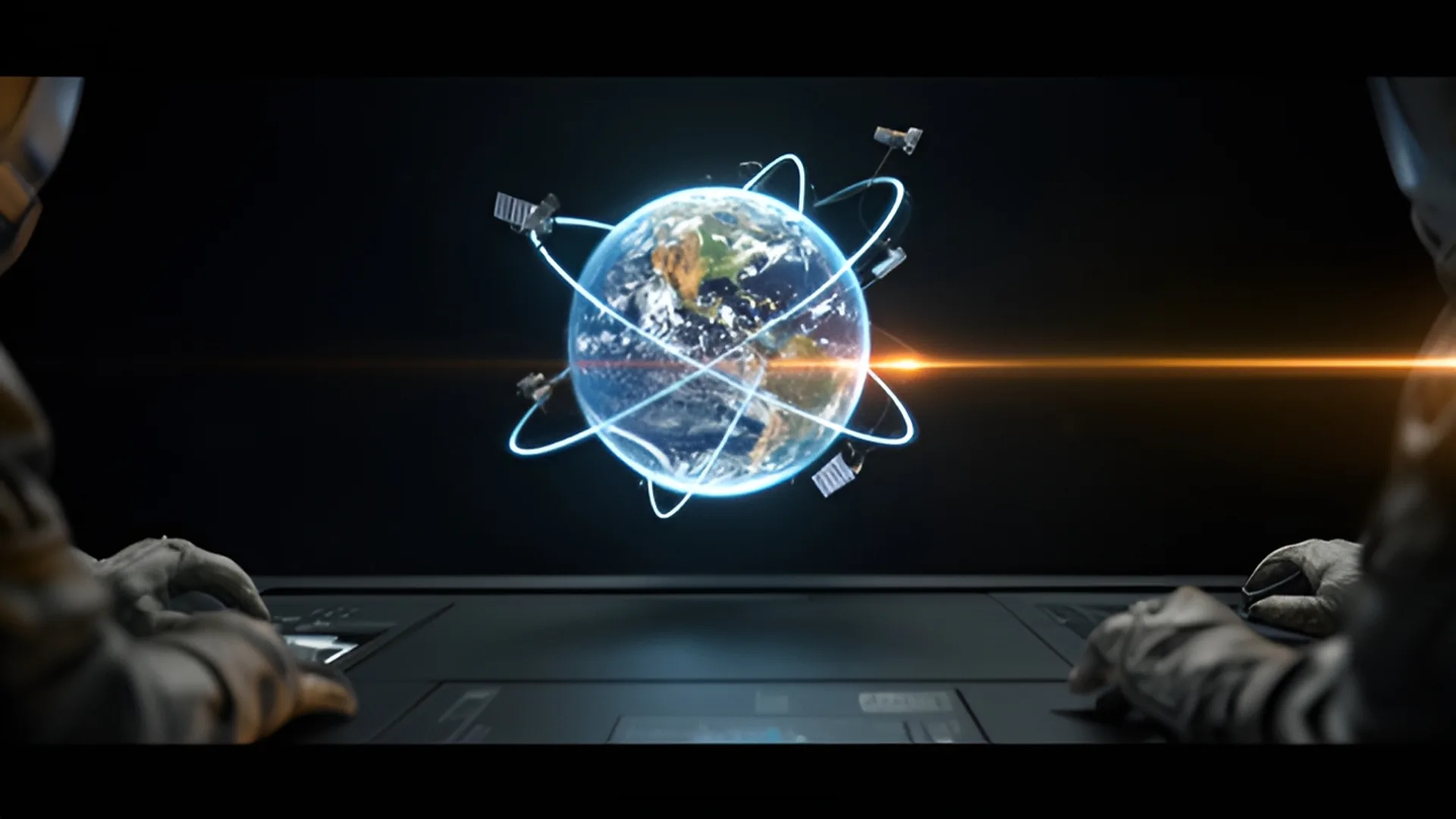
Start
Scored by a rule we agree first. You decide on the result.
Film 01